Traditional Tibetan Incense Making Experience in Lhasa
Posted on Fri December 19, 2025.
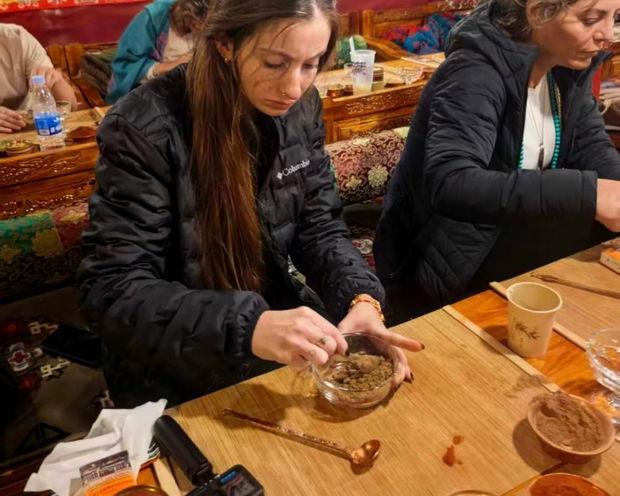
Step into a traditional incense workshop in Lhasa offers travelers a rare opportunity to witness a living expression of Tibetan cultural and spiritual heritage. At an elevation of approximately 3,600 meters, the ancient capital of Tibet is infused with the warm, earthy aromas of sacred Himalayan herbs—juniper, sandalwood, saffron, rhododendron leaves, and medicinal roots traditionally gathered from high-altitude regions.
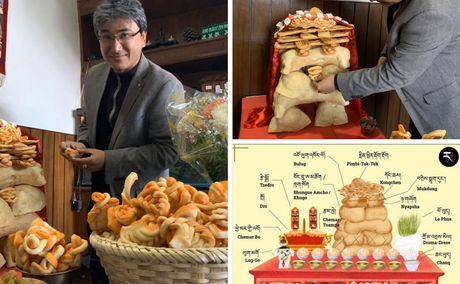
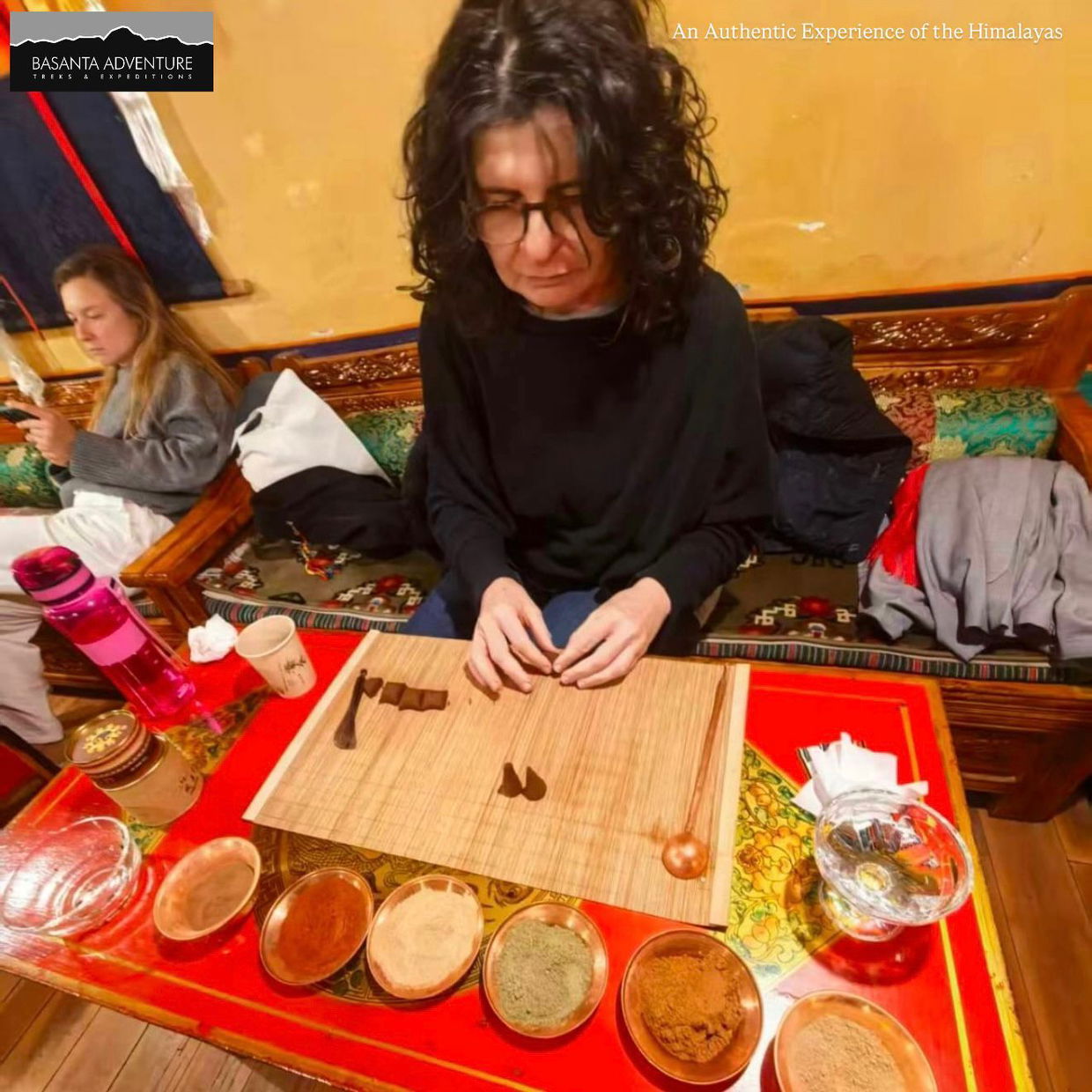 The incense-making process begins with the careful selection of herbs, many of which are also central to traditional Tibetan medicine. The senior artisans methodically dry, grind, and blend the ingredients using stone tools, following centuries-old formulas preserved through monasteries and family lineages. The pace is intentionally slow, reflecting the meditative nature of the craft and its deep spiritual significance.
As the herbal mixture is kneaded into a soft paste and hand-rolled into slender incense sticks, mantras are often softly recited, imbuing the process with intention and mindfulness. The fragrance develops gradually—initially sharp and resinous, then unfolding into a calming, balanced scent that is both grounding and restorative. This is not industrial production, but a ritual rooted in devotion, wellness, and tradition.
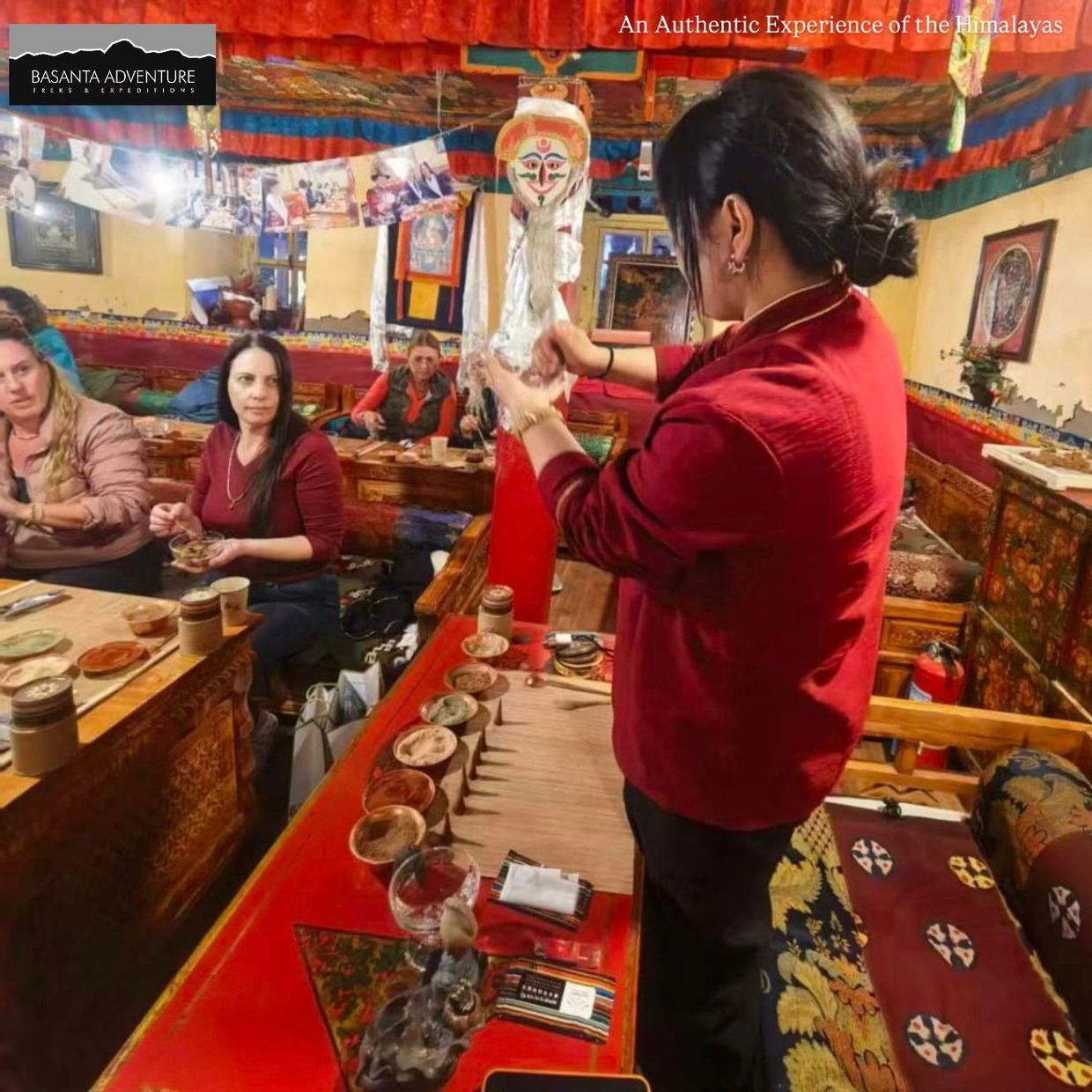
With the subtle rhythm of prayer wheels from the most worshipped Temple of Chukla Khang famously known as Jokhang Temple and the Potala Palace forming a timeless backdrop, the experience becomes fully immersive. In Tibetan Buddhist practice, incense is offered as a symbol of purification and compassion, making its creation an act of spiritual merit as well as craftsmanship.
By the end of the experience, visitors do more than observe traditional Tibetan incense making. They leave with a lasting sensory memory of Lhasa itself—a blend of spirituality, cultural continuity, and Himalayan wisdom that lingers long after the smoke has faded.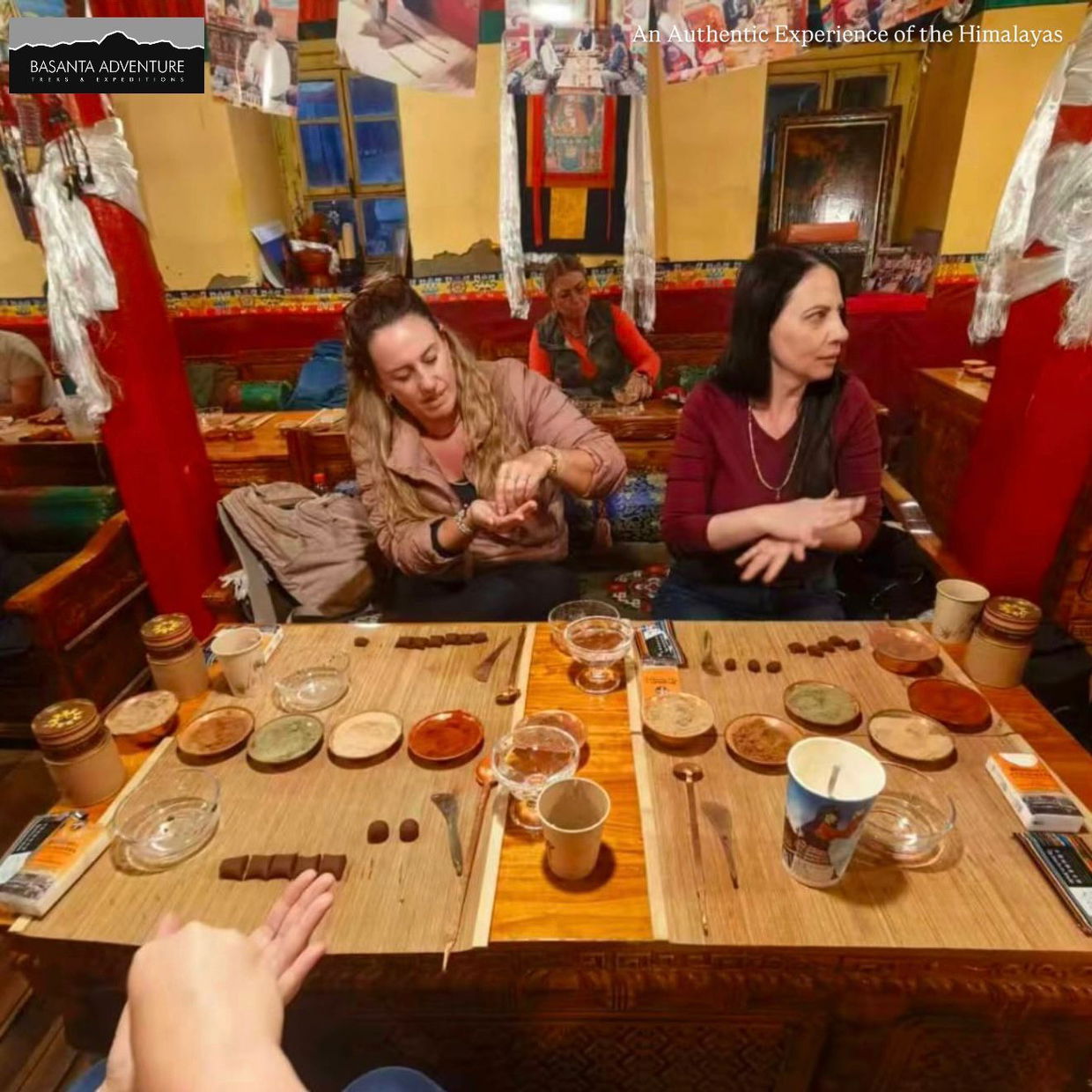


Share This Post